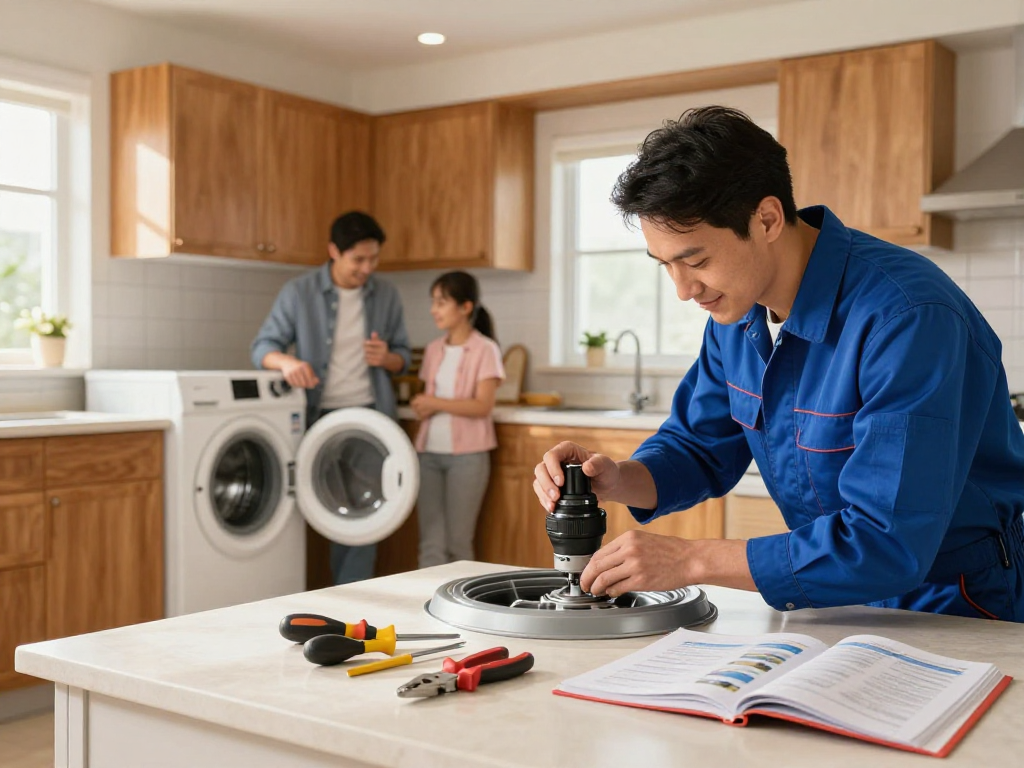
Understanding Common Washer Issues
When it comes to household appliances, the washing machine is one of the most frequently used. However, like any mechanical device, it can encounter issues over time. Understanding these common washer problems and knowing how to address them can save you time and money. Identifying the symptoms early on can prevent more significant issues down the line. This guide will help you grasp the most frequent problems associated with washer repair, what to look for when diagnosing issues, and the importance of professional help when needed. For those needing assistance, washer repair services can provide expert diagnostic and repair solutions.
What Are the Most Frequent Problems in Washer Repair?
Washing machines face various issues, ranging from minor inconveniences to major malfunctions. The most frequent problems encountered during washer repair include:
- Failure to Start: This could be due to power issues, faulty door locks, or a defective timer.
- Water Leakage: Leaks may stem from damaged hoses, clogged filters, or worn-out seals.
- Poor Cleaning Performance: This issue often results from low water levels, incorrect settings, or detergent problems.
- Unusual Noises: Sounds like banging or grinding could indicate loose components or foreign objects within the drum.
- Draining Issues: A washer that won’t drain might have a clogged pump, kinked drain hose, or issues with the water level control.
Signs Your Washer Needs Immediate Attention
Recognizing the signs that your washer needs immediate repair can save you from costly replacements. Key indicators include:
- Visible leaks underneath the washer.
- Persistent error codes displayed on the control panel.
- A burning smell during operation.
- Fluctuating cycle times or unresponsive controls.
- Excessive vibration and movement during cycles.
Common Misconceptions About Washer Repair
Many homeowners hold misconceptions that can hinder effective washer maintenance or repair. Some of the most common include:
- “If it’s not broken, don’t fix it.” – Regular maintenance can prevent breakdowns.
- “All repairs are expensive.” – Many minor repairs are cost-effective, especially compared to buying a new unit.
- “DIY fixes are always the best route.” – While some repairs can be DIY, complex issues often require professional expertise.
The Importance of Professional Washer Repair Services
While the idea of fixing your washer on your own can be tempting, seeking professional repair services is often the wiser choice. Professional technicians are trained to handle complex issues efficiently and safely.
Why DIY Repair Isn’t Always the Best Option
DIY repairs may seem cost-effective, but they can sometimes lead to further issues if not executed correctly. Without the right experience, you may misdiagnose the problem or inadvertently cause more damage. Additionally, attempting to fix safety-related issues, such as electrical failures, can pose serious risks.
Choosing the Right Repair Technician
Finding a qualified technician for washer repair can significantly impact the repair's outcome. Look for professionals with:
- Reputable service history and reviews.
- Licenses and certifications in appliance repair.
- Transparent pricing and warranty offers on repairs.
- Excellent customer service and communication skills.
Cost-Benefit Analysis of Professional vs. DIY Repairs
Before deciding between professional help and DIY repairs, consider the costs involved. While DIY may appear cheaper initially, the potential for errors can lead to additional repair costs. Professional services, albeit more expensive, often guarantee the quality and efficiency of the work done.
Best Practices for Preventing Washer Breakdowns
Preventing issues before they occur is the most effective approach to washer maintenance. Here are several practices that can help extend the life of your appliance:
Routine Maintenance Tips for Your Washer
Regular maintenance can help keep your washer running smoothly:
- Clean the filter: Regularly checking and cleaning your washer's filter can prevent clogs.
- Examine hoses: Inspect hoses for signs of wear or damage and replace as necessary.
- Run periodic maintenance cycles: Use vinegar to clean the drum and eliminate odors.
How to Properly Load Your Washer to Avoid Damage
Proper loading techniques can prevent mechanical strain:
- Distribute clothes evenly to avoid imbalance.
- Avoid overloading, which can strain the motor and drum.
- Use the correct cycle settings based on load size and fabric type.
Common Mishaps That Lead to Washer Repair Needs
Several common mishaps can lead to the need for washer repairs. These include:
- Ignoring warning signs and operational anomalies.
- Using incorrect detergent types or amounts.
- Failing to secure the door properly during operation.
Future of Washer Repair Technology
The landscape of washer repair technology is continuously evolving. Understanding these trends can prepare you for future issues and solutions.
Innovations in Washer Design and Repair
Innovative designs are reducing common mechanical failures:
- Smart sensors are now available to detect imbalances or load weights.
- Self-diagnosis features alert users to potential issues before they escalate.
- Modular designs allow for easier part replacement rather than full unit replacement.
How IoT Is Transforming Appliance Repairs
The Internet of Things (IoT) is revolutionizing how we monitor and repair appliances. IoT-connected washers can send alerts to users about maintenance needs or errors, making timely repairs easier.
Predictions for Washer Repair Trends in 2026
Looking towards 2026, we can expect:
- Increased integration of AI technology for predictive maintenance.
- More environmentally friendly models that require less energy and water.
- Enhanced user interfaces that simplify diagnostics and troubleshooting.
DIY Approaches to Minor Washer Repairs
For minor issues, DIY could be a viable option. Here are some effective approaches:
Steps to Troubleshoot Common Washer Issues
When facing an issue, begin your troubleshooting with these steps:
- Check for any error codes and consult the user manual.
- Examine the power cord and outlet for functionality.
- Assess door latches and hoses for proper connections.
Essential Tools for DIY Washer Repairs
Having the right tools can make DIY repairs simpler. Essential tools include:
- Screwdrivers: Both Phillips and flathead for accessing interior components.
- Multimeter: For testing electrical issues.
- Pliers: Useful for gripping and loosening hoses.
When to Call a Professional After DIY Attempts
If your DIY efforts do not resolve the issue, or if you encounter complex problems, it’s time to call in the professionals. Signs you should seek help include:
- Repeated recurrence of the same issue.
- Unrecognized error codes or unusual sounds.
- Feeling uncertain about safety or potential further damage.
What Should I Do If My Washer Won't Start?
If your washer won't start, first check the power supply and outlet connections. If those are functional, verify that the door is securely closed, as many models won’t operate if the door is ajar. Lastly, consult the manual for any specific troubleshooting steps related to your model.
How Can I Make My Washer Last Longer?
To extend the life of your washing machine, ensure regular maintenance and avoid overloading it. Choosing the right detergent and washing settings for different fabric types can also prevent wear and tear.
What Are the Costs Associated with Washer Repair?
The costs of washer repair can vary significantly based on the issue. Simple repairs may range from $50 to $150, whereas more complex problems could cost between $200 and $500. Always ask for estimates before proceeding with repairs.
Is It Worth Repairing an Old Washer?
Considering the costs of repairs versus buying a new model is crucial. If repair costs exceed 50% of a new washer’s price, replacement may be the better option. Also, consider the age of the washer and any current performance issues.
How Can I Find a Trustworthy Washer Repair Service?
Finding a credible washer repair service can be done by seeking recommendations from friends and family, checking online reviews, and ensuring the service has the necessary licenses and insurance. For more information, appliance repair company offers valuable insights. Obtaining multiple quotes can provide insight into fair pricing as well.