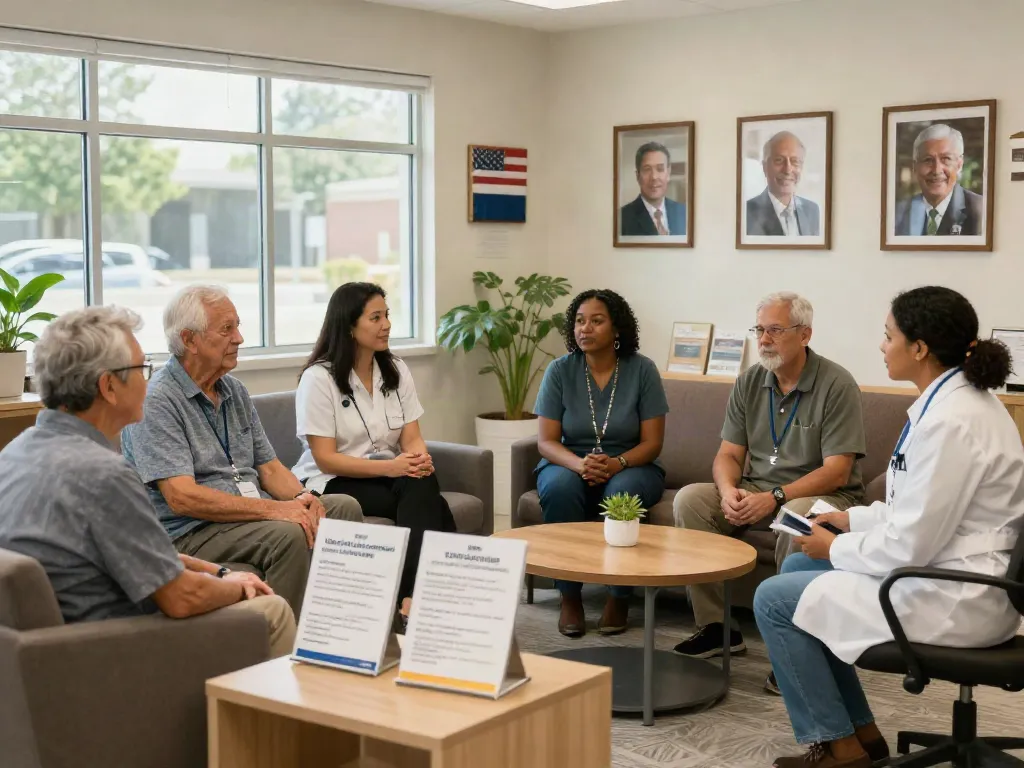
Understanding Veteran Healthcare Options
Veteran healthcare is a specialized segment of medical care aimed at addressing the unique health needs of those who have served in the armed forces. With the ever-evolving landscape of healthcare, veterans require access to comprehensive services that cater specifically to their circumstances and experiences. Understanding veteran healthcare options is crucial for ensuring that former service members receive the best possible care tailored to their unique challenges and experiences. When exploring options, Veteran healthcare near me provides comprehensive insights that can guide veterans toward available resources and support systems.
What is Veteran Healthcare?
Veteran healthcare refers to the medical services and benefits provided specifically for veterans, often administered through the Department of Veterans Affairs (VA). This system was established to acknowledge the sacrifices made by military personnel and to provide them with the necessary support for physical and mental health. The VA operates numerous facilities, including hospitals and outpatient clinics, to ensure that veterans receive tailored healthcare services.
Types of Services Available to Veterans
The range of services available through veteran healthcare is extensive and can be categorized into several key areas:
- Primary Care: Ongoing health assessment and management of chronic conditions.
- Mental Health Services: Counseling, therapy, and medication management for conditions like PTSD and depression.
- Specialty Care: Access to specialized healthcare providers for complex health issues, including cardiology and oncology.
- Rehabilitation Services: Physical therapy and occupational therapy to aid recovery from injuries.
- Preventive Health Services: Vaccinations, screenings, and wellness check-ups to maintain health.
- Medication Management: Pharmacy services to manage and dispense prescription medications.
How to Access Veteran Healthcare Near Me
Accessing healthcare specifically for veterans can involve several steps. Veterans can start by visiting the VA's official website, where they can find information about nearby facilities, health care eligibility, and the services offered. Importantly, understanding the application process for VA benefits is key to accessing available services efficiently. It's also advisable to engage with community resources and veteran service organizations to gain additional insights and assistance.
Challenges in Navigating Veteran Healthcare
Common Misconceptions about VA Services
One of the major challenges in accessing veteran healthcare is the prevalence of misconceptions surrounding VA services. Many veterans believe that the services are limited or that the quality of care does not meet their needs. This could stem from previous negative experiences or a lack of information. In reality, the VA has significantly improved its healthcare services over the years and offers a wide range of high-quality medical options.
Barriers to Accessing Healthcare for Veterans
Barriers to accessing veteran healthcare can include geographical challenges, particularly for those living in rural areas, as well as long wait times for appointments. Additionally, systemic issues, such as bureaucratic hurdles in the claims process and a lack of understanding of benefits, can hinder access to necessary services. Moreover, some veterans may face stigma when seeking mental health care, which can prevent them from pursuing the help they need.
How to Overcome Healthcare Access Challenges
Veterans can take proactive steps to overcome healthcare access challenges by educating themselves about the services available and their eligibility for benefits. Joining local veteran organizations can provide support and advocacy, while online resources and hotlines offer guidance on navigating the healthcare system. Furthermore, connecting with peers through veteran support networks can foster a sense of community and encourage proactive health management.
Best Practices for Veterans Seeking Care
How to Find Quality Veteran Healthcare Providers
Finding quality healthcare providers involves extensive research and asking the right questions. Veterans should take advantage of the VA's facility locator tool to identify accredited providers near them. Additionally, seeking recommendations from other veterans or utilizing veteran service organizations can help narrow down options to those most reputable and responsive to veterans’ needs.
Utilizing Community Resources for Better Health
Community resources often play a crucial role in enhancing veterans' healthcare experiences. Local nonprofits, support groups, and outreach programs can offer supplementary services that complement VA care, including mental health support, job training, and social activities to foster community connection. Engaging with these resources can greatly improve the health and well-being of veterans.
Strategies for Managing Ongoing Care Needs
For veterans with chronic health conditions, creating a comprehensive management plan is essential for maintaining health and quality of life. Regular communication with healthcare providers, adhering to prescribed treatments, and utilizing telehealth options when available can ensure that veterans receive consistent care. Moreover, setting realistic health goals and tracking progress can empower veterans in their health journey.
Real-World Examples of Effective Veteran Healthcare
Case Studies of Successful Treatment Plans
Real-world examples can highlight the efficacy of veteran healthcare systems in improving patient outcomes. For instance, many veterans have reported significant improvements after engaging in comprehensive mental health programs that integrate therapy with peer support. In particular, programs that offer holistic care and address both physical and mental health concerns have seen positive results.
Veterans' Testimonials and Experiences
Listening to veterans' testimonials about their healthcare experiences can provide invaluable insights for both peers and healthcare providers. Many veterans emphasize the importance of personalized care and accessibility. For instance, straightforward communication from healthcare professionals has been cited as a critical element in building trust and improving care satisfaction.
Innovative Programs and Services in Local Communities
Numerous local programs have emerged to address the unique health challenges faced by veterans. Innovative services such as mobile clinics, telemedicine, and integrative health approaches that combine traditional and alternative therapies are gaining traction. These programs increase accessibility and provide flexible options that accommodate the diverse needs of veterans.
The Future of Veteran Healthcare in 2026 and Beyond
Emerging Trends in Veteran Healthcare Services
The future of veteran healthcare is poised for transformation, driven by technological advancements and a focus on holistic health. Emerging trends include increased use of telehealth, data analytics for personalized care plans, and the integration of mental health services into primary care settings. As the healthcare landscape evolves, veterans can expect more streamlined and effective healthcare delivery methods.
Predictions for the Future of Veteran Care
Experts predict that veteran healthcare will increasingly emphasize preventive care and mental health support, reducing reliance on reactive healthcare approaches. This shift aims to improve overall veteran health outcomes and decrease long-term healthcare costs. Additionally, fostering partnerships between the VA and community organizations will be essential to meet veterans' diverse needs effectively.
How Healthcare Policies are Evolving for Veterans
Healthcare policies for veterans are continuously evolving, with legislative efforts focused on expanding access to care and benefits. Recent reforms have aimed to streamline the application process for services and improve the quality of care provided through VA facilities. As we move forward, ongoing advocacy will be crucial to ensure that the voices of veterans are heard and that policies reflect their needs.
What Should I Look for in a Veteran Healthcare Provider?
When seeking a healthcare provider, veterans should prioritize those who are experienced in working with military populations. Key factors to consider include the provider's understanding of veteran-specific health issues, their approach to mental health care, and their willingness to collaborate with other healthcare professionals to provide comprehensive care.
How Can I Find Additional Support for Veterans' Healthcare?
Finding additional support can involve connecting with local veteran service organizations, which often provide resources, advocacy, and assistance with navigating the healthcare system. Online platforms can also serve as valuable sources of information, enabling veterans to discover services and connect with fellow veterans.
What Resources are Available for Veteran Mental Health Services?
Numerous resources exist specifically for veteran mental health services, including the VA's mental health services, community support groups, and private therapy options tailored to veterans. Programs focused on trauma recovery and peer support can also significantly enhance mental health outcomes for veterans.
How Do I Navigate Benefits and Eligibility for Veteran Healthcare?
Navigating benefits and eligibility for veteran healthcare can be complex, but resources are available. The VA's official website provides detailed guidance on eligibility criteria and the application process for benefits. Additionally, veteran service organizations can offer personalized assistance to help veterans understand their options and access the benefits to which they are entitled.
What are the Most Common Healthcare Issues Faced by Veterans?
Common healthcare issues faced by veterans often include post-traumatic stress disorder (PTSD), depression, chronic pain, and substance abuse. Addressing these challenges requires a multifaceted approach that incorporates physical health, mental health, and social support systems to promote recovery and well-being.