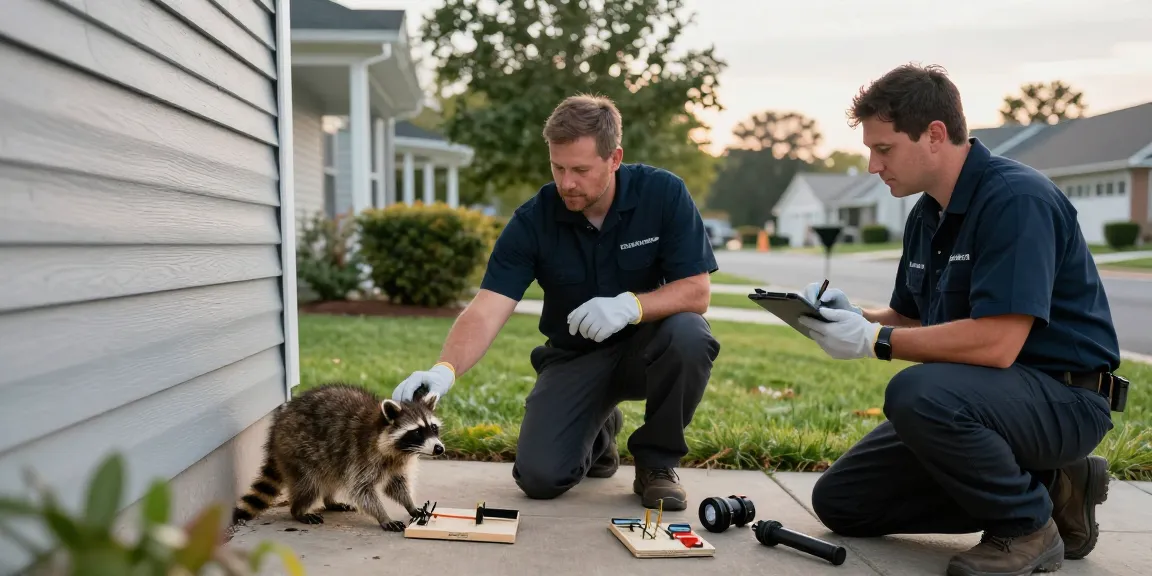
Understanding Raccoon Behavior in Urban Areas
Raccoons are highly adaptable creatures that have increasingly made their homes in urban environments, taking advantage of our resources and habitats. With Toronto’s bustling city life, it’s not uncommon for these masked intruders to find their way into our attics, basements, and even garages. Understanding their behavior is crucial for homeowners looking to safeguard their properties against potential infestations. When exploring options for effective wildlife control, Raccoon Removal Toronto provides comprehensive insights into strategies for keeping your home safe.
Why Raccoons Invade Homes?
Raccoons are drawn to urban homes for various reasons, primarily in search of food, water, and shelter. They are opportunistic feeders, often rummaging through trash bins or looking for pet food left outside. The presence of gardens, bird feeders, or compost heaps can also attract them. Furthermore, attics and basements offer safe havens for raccoons to nest, away from predators and the elements. As urban expansion continues, the overlap between human habitation and raccoon habitats increases, leading to more encounters.
Common Signs of Raccoon Infestation
Identifying a raccoon infestation early can prevent more significant issues later. Here are several signs that indicate raccoons may have invaded your home:
- Nocturnal Activity Sounds: Raccoons are primarily nocturnal. Hearing noises in your attic or walls at night is a common indicator of their presence.
- Scat and Urine: Raccoon droppings, often containing undigested fruit seeds, can be found around areas where they frequent.
- Damaged Property: Look for claw marks or scratches on doors, vents, or around trash bins, suggesting raccoons are trying to access these areas.
- Tracks: Raccoon paw prints are distinct, with five toes and a small thumb-like toe. They often leave tracks near trash cans or garden beds.
Understanding Raccoon Habits and Habitat
Raccoons are intelligent and resourceful animals that exhibit specific habits that allow them to thrive in urban settings. They often establish territories and are known for their ability to manipulate their environment, which includes opening latches or doors. Their preferred habitats are areas that provide seclusion and easy access to food sources, such as wooded parks, alleyways, and residential neighborhoods.
Evaluating the Cost of Raccoon Removal in Toronto
The cost of raccoon removal in Toronto can vary significantly based on several factors. Understanding these factors can help homeowners budget adequately and choose the right service.
Factors Influencing Raccoon Removal Costs
Several elements can influence the overall cost of raccoon removal, including:
- Extent of Infestation: The severity of the infestation, such as the number of raccoons and the damage caused, can greatly impact costs.
- Access Points: The complexity of accessing nests or burrows will also play a role; difficult-to-reach areas may require specialized equipment or additional labor.
- Time of Year: Raccoon breeding season can lead to higher costs due to increased demand for removal services.
- Location: Prices may vary based on the specific location within Toronto, with urban areas potentially charging more due to higher service costs.
Cost Comparison: DIY vs. Professional Services
Some homeowners may consider a DIY approach to raccoon removal to save money. However, while this may seem cost-effective, it can often lead to unsafe situations, including potential injuries or legal troubles. Professional services not only ensure safe and humane removal but also provide guarantees on their work. Before deciding, weigh the potential costs of equipment and time against the expertise that professional services offer.
Budgeting for Raccoon Removal Solutions
When budgeting for raccoon removal, consider the total costs involved, including initial inspections, removal fees, and any necessary repairs to prevent future entries. Homeowners should also account for regular maintenance costs, such as securing trash bins and closing off entry points, to minimize the risk of re-infestation.
Effective Techniques for Raccoon Exclusion
After successfully removing raccoons from your property, the next step is to implement exclusion techniques to prevent their return. Here are effective measures that can be taken:
Physical Barriers and Preventative Measures
Installing physical barriers is one of the most effective methods to prevent raccoons from accessing your home. This includes:
- Secure Trash Bins: Use raccoon-proof trash cans or store bins in a locked area.
- Close Entry Points: Inspect your home for potential entry points, such as gaps in fencing, loose shingles, or vents, and seal them off.
- Remove Attractants: Avoid leaving pet food outside and clean up fallen fruit from trees.
Safe and Humane Trapping Methods
For those who find raccoons in their vicinity, humane trapping can be a solution. It’s essential to use traps that comply with local regulations and to check them frequently to avoid distress to the animals. Consulting with wildlife professionals can ensure the implementation of the safest practices.
Post-Removal Strategies for Long-term Prevention
long-term prevention is crucial to maintaining a raccoon-free environment. After removal, homeowners should consider:
- Conducting regular inspections of their property for signs of wildlife.
- Implementing landscaping techniques that deter raccoons, such as planting thorny bushes.
- Continuing to educate themselves on wildlife behavior and ecology.
Legal Considerations in Raccoon Removal
Toronto has specific wildlife protection laws that homeowners must respect when dealing with raccoons. Understanding these legal guidelines is essential for ethical wildlife management.
Understanding Wildlife Protection Laws in Toronto
Wildlife protection laws in Toronto aim to ensure the humane treatment of animals, including raccoons. These laws prohibit the intentional harm of these creatures and require individuals to follow specific protocols for removal.
Permits Required for Raccoon Control
In many cases, permits may be required for raccoon control, depending on the method used. Homeowners should inquire with local wildlife management authorities to ensure compliance with regulations regarding trapping and relocation.
Best Practices for Ethical Animal Handling
Engaging with wildlife in an ethical manner goes beyond legal considerations. Best practices include:
- Ensuring humane traps are used.
- Releasing animals in a location far from urban environments.
- Handling situations with minimal stress to the animals involved.
Future Trends in Wildlife Control Services
The landscape of wildlife control is ever-evolving, with innovations and best practices continually emerging to ensure effective management of urban wildlife populations.
Innovations in Raccoon Control Technology
As technology advances, so too do raccoon control methods. Innovations such as remote monitoring cameras help homeowners keep track of wildlife activity discreetly. Additionally, advancements in eco-friendly repellent substances are gaining traction, providing safer alternatives for deterring wildlife without harming them.
Emerging Best Practices for Wildlife Management
Best practices are shifting towards more sustainable and humane approaches. Integrated pest management (IPM) techniques are becoming standard, focusing on long-term prevention strategies and minimizing harm to wildlife. Education and community involvement are also crucial components of modern wildlife management approaches.
Predictions for Urban Wildlife Behavior in 2026
As urban areas continue to expand, expectations are that raccoon populations will remain steady, maintaining their adaptability. The increasing availability of food and shelter in cities may lead to higher encounters, emphasizing the importance of ongoing education and effective management strategies.
What Should Homeowners Know About Raccoon Infestations?
Homeowners should remain vigilant and proactive in preventing raccoon infestations. Regular inspections, combined with knowledge of local wildlife behavior, can significantly reduce risks. Should a family of raccoons take up residence, understanding their legal protections and humane removal practices is essential.
How Can You Safely Inspect Your Home for Raccoons?
Inspecting your home for raccoons involves checking for signs of entry points, particularly in areas like the attic, roof, and basement. Utilize a flashlight to look in dark spaces and listen for sounds indicating activity.
What Are the First Steps in Raccoon Removal?
The initial steps in raccoon removal include conducting a thorough inspection and identifying the extent of the infestation. Professional services will often use humane traps and ensure compliance with local laws during the removal process.
How Can Professional Services Ensure Safe Removal?
Professional wildlife control services provide expertise in safely and humanely removing raccoons. They have the necessary permits and knowledge of local regulations, ensuring compliance while effectively managing the situation.
What Are the Long-term Effects of Raccoon Infestations?
Long-term infestations can lead to significant property damage, health risks from diseases such as raccoon roundworm, and structural issues due to nesting. Early detection and removal are crucial in preventing these negative outcomes.
Why Choose Professional Raccoon Removal Services?
Utilizing professional removal services ensures that the process is handled correctly, minimizing risks to both the homeowner and the raccoons involved. These experts not only focus on humane removal but also emphasize prevention and education, helping homeowners create an environment resistant to future infestations.